Ferrari’s Electric Dream Sells for $40 Million—How One Car Redefined Luxury and Charity
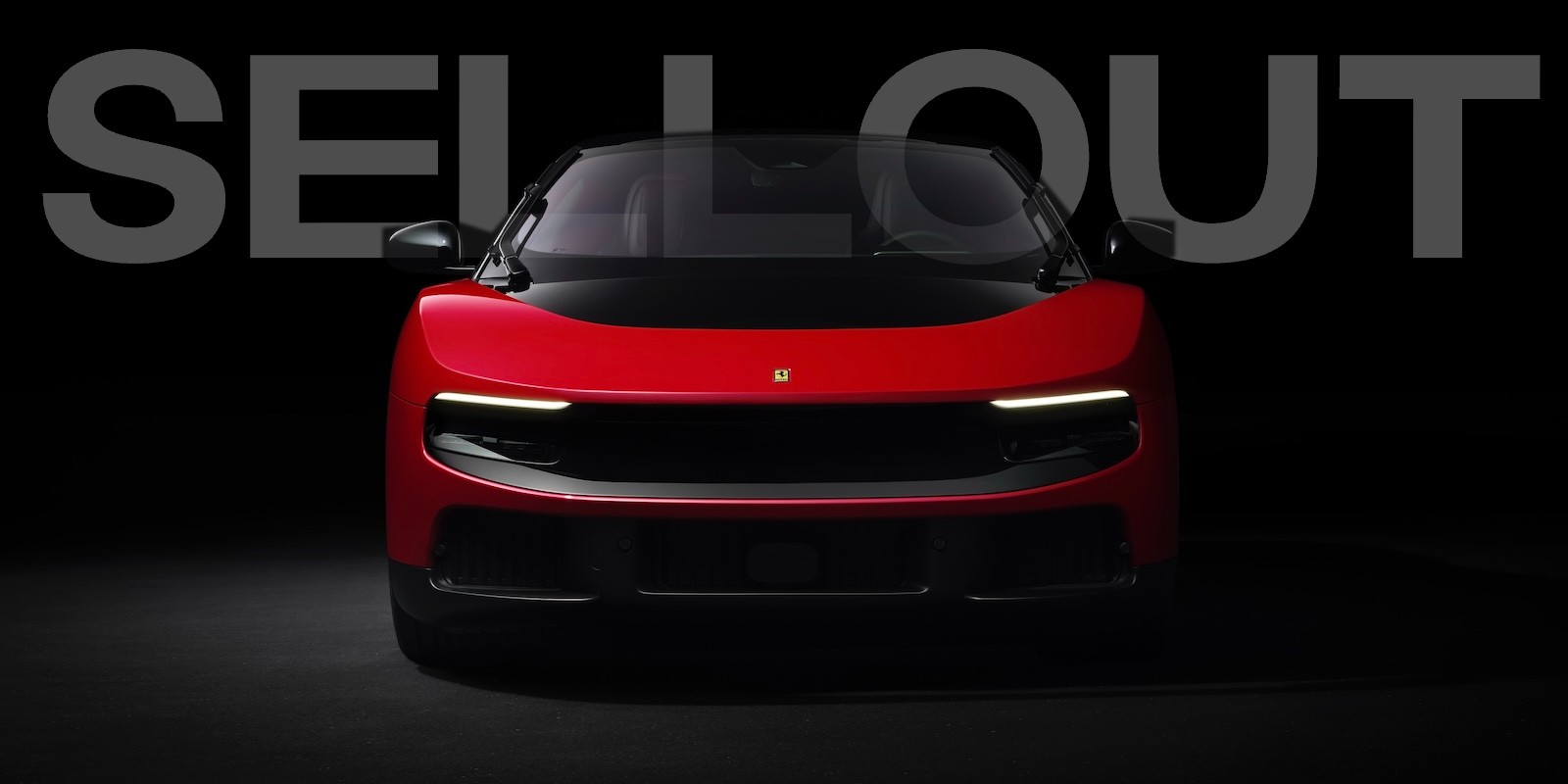
Imagine owning a car that costs 36 times its estimated price, all while funding a noble cause. That’s the incredible story of Ferrari’s Luce, the electric marvel that shattered records and redefined what luxury can achieve.
The Record-Breaking Sale That Shocked the World
The world watched in awe as Ferrari’s Luce, its first electric vehicle, sold for $40 million at auction—a staggering 36x its $1.1 million pre-sale estimate. This wasn’t just breaking records; it was rewriting the rules of what a car can be worth.
Think of it as the automotive world’s equivalent of a viral meme: “When you’re not just buying a car, but a piece of history.” The Luce isn’t just a vehicle; it’s a statement. A one-of-a-kind masterpiece with paint that shifts from green to violet like a mood ring and a cabin so luxurious it feels like stepping into a sci-fi movie. This isn’t just a car—it’s a $40 million conversation starter.
Ferrari’s previous auction records? They’re now mere footnotes. The Daytona SP3 sold for $26 million in 2025, but the Luce? It’s 62x its standard price tag. To put that into perspective: the most expensive classic car ever sold, a 1955 Mercedes-Benz 300 SLR, went for $142 million. But that’s a relic. The Luce? It’s brand-new and already the most expensive new car ever auctioned.
Here’s the kicker: every dollar goes to charity. The buyer, a mystery billionaire, donated the entire $40 million to The Ferrari Foundation, which funds education. RM Sotheby’s even waived fees to ensure the full amount reached the cause—a move as generous as it was unprecedented.
But why did it sell for so much? Because this isn’t just any Ferrari. It’s Chassis 0, the first production unit of Ferrari’s electric era. A symbol of a brand betting big on the future. Critics called it a “risk” when it launched, but here it is: sold out in two months, with buyers clamoring for a car that’s not even in their hands yet.
The Luce’s sale isn’t just about money. It’s about legacy. Ferrari’s first EV, designed with Apple’s Jony Ive, is now a collector’s holy grail. And with delivery set for 2027, it’s like owning a ticket to the future of supercars.
So, what does this mean? Is $40 million a fluke, or the start of a new era? The answer might lie in how collectors view cars—not just as machines, but as artifacts of innovation. The Luce isn’t just breaking records; it’s defining them.
Stay tuned. The next chapter of automotive history is already writing itself.
A Charity-Driven Revolution: How This Sale Funds the Future
The Ferrari Luce auction record isn’t just a number—it’s a lifeline for futures yet to be written. Imagine a car so rare, so symbolic, that its sale becomes a bridge between luxury and legacy. That’s what happened when a bespoke Luce, painted in a shimmering “Madreperla Semi-Gloss” that dances between green and violet, crossed the RM Sotheby’s block for $40 million. Every dollar? Directly funding The Ferrari Foundation’s educational programs.
RM Sotheby’s didn’t just host an auction—they engineered a revolution. By waiving buyer’s premiums, they ensured the full $40 million became a catalyst for change. It’s like winning the lottery and giving the winnings to a school—except this time, it’s on an automotive scale.
This isn’t just about cars; it’s about rewriting the script of what luxury can be. The Luce, Ferrari’s first electric venture, faced skeptics who called it a betrayal of tradition. Yet here it is, breaking records not for speed or design but for the sheer scale of its charitable heartbeat.
The buyer remains anonymous, but their choice speaks volumes. They’re not just collecting a car; they’re investing in classrooms, scholarships, and dreams that will outlive them.
There’s a poetic twist here. Ferrari’s electric debut, once ridiculed for its five seats and battery pack, now stands as a beacon of possibility. The Luce’s journey from controversy to charity icon mirrors a broader truth: legacy isn’t inherited; it’s built. And for those who bid $40 million, their name isn’t just etched into a car’s history—it’s woven into the fabric of a future where education becomes a universal right, not a privilege.
The next time you see a Ferrari, remember: it’s not just a machine. It’s a mirror reflecting the choices of the wealthy, the vision of the visionary, and the quiet revolution of giving back. The Luce’s record isn’t just a headline; it’s a promise.
The Art of Bespoke Engineering: Why This Car Is Uniquely Ferrari
Imagine holding a diamond that shifts colors as you turn it in your hand—now picture that brilliance wrapped in a car. The Ferrari Luce isn’t just a vehicle; it’s a living masterpiece, where every curve and hue whispers exclusivity. Take its paint, a one-of-a-kind Madreperla Semi-Gloss finish that doesn’t just sit on the body—it dances. Under sunlight, it flickers between emerald green and amethyst violet, like a secret only the most discerning eyes can catch.
Inside, the Luce feels like stepping into a luxury suite designed by a mad scientist. The Le Mans metallic leather interior, in Perla, shimmers like a starry night, while Grigio Corvara accents—Ferrari’s first departure from black in a Luce cabin—add a touch of cosmic elegance. The Prancing Horse emblem, rendered in optical-white, isn’t just a logo; it’s a statement. It glows, almost defiantly, as if challenging the world to forget its legacy.
But what truly elevates this Luce is its identity as Chassis 0, the first and only unit of the Luce program. Think of it as the zeroth chapter in Ferrari’s electric odyssey—a car that doesn’t just exist but defines a new era. It’s the kind of rarity that makes collectors clutch their pearls, and critics scribble furiously.
When it sold for $40 million at auction, breaking its own record, it wasn’t just money changing hands. It was a declaration: this isn’t just a car; it’s a relic of the future, forged in Maranello’s forge.
The Luce’s story isn’t just about numbers or records. It’s about the thrill of owning something that defies categories—part art, part engineering, part rebellion. And as it returns to Maranello for its final touches, one thing is clear: this isn’t just Ferrari’s first EV; it’s a monument to what happens when obsession meets innovation.
What happens next? Stay tuned.
The Backlash and the Boom: How Controversy Sparked Demand
The Ferrari Luce’s story began with a roar of controversy. When it debuted in May 2026, it felt like a lightning rod—splitting opinions faster than a Formula 1 pit stop. Former chairman Luca di Montezemolo called it a threat to Ferrari’s soul, while Italian officials muttered about tradition being trampled. Even the Pope was invited to see it, but the message was clear: this wasn’t the Ferrari of old.
Yet, just two months later, the Luce’s first production unit sold for $40 million at auction—36 times its estimate. It wasn’t just a car; it was a cultural earthquake. The buyer? A mystery, but the price? A statement. Critics who once called it a “disaster” now watched as Ferrari’s shares jumped 1.4%, turning skeptics into silent admirers.
Think of it like the “This is fine” meme—everyone’s screaming, but the dog’s just chilling. The Luce faced the heat of tradition’s torch, then emerged as a symbol of defiance. Its bespoke paint shifted colors like a chameleon, its interior replaced black with a daring gray. It was Ferrari’s first EV, but also a rebellion.
The backlash? A prelude. The boom? The encore. By 2026, Ferrari had sold every car in its initial 500-unit batch before a single customer even received one. The market didn’t just adapt—it celebrated.
But here’s the twist: the Luce’s auction wasn’t just about money; it was about legacy. A $40 million bet that innovation could coexist with heritage, that electric dreams could charge alongside V12 memories. The question now? Will the next chapter of Ferrari’s story be written in volts—or will the old guard still hold the pen?
Ferrari’s Electric Future: A Legacy Reimagined
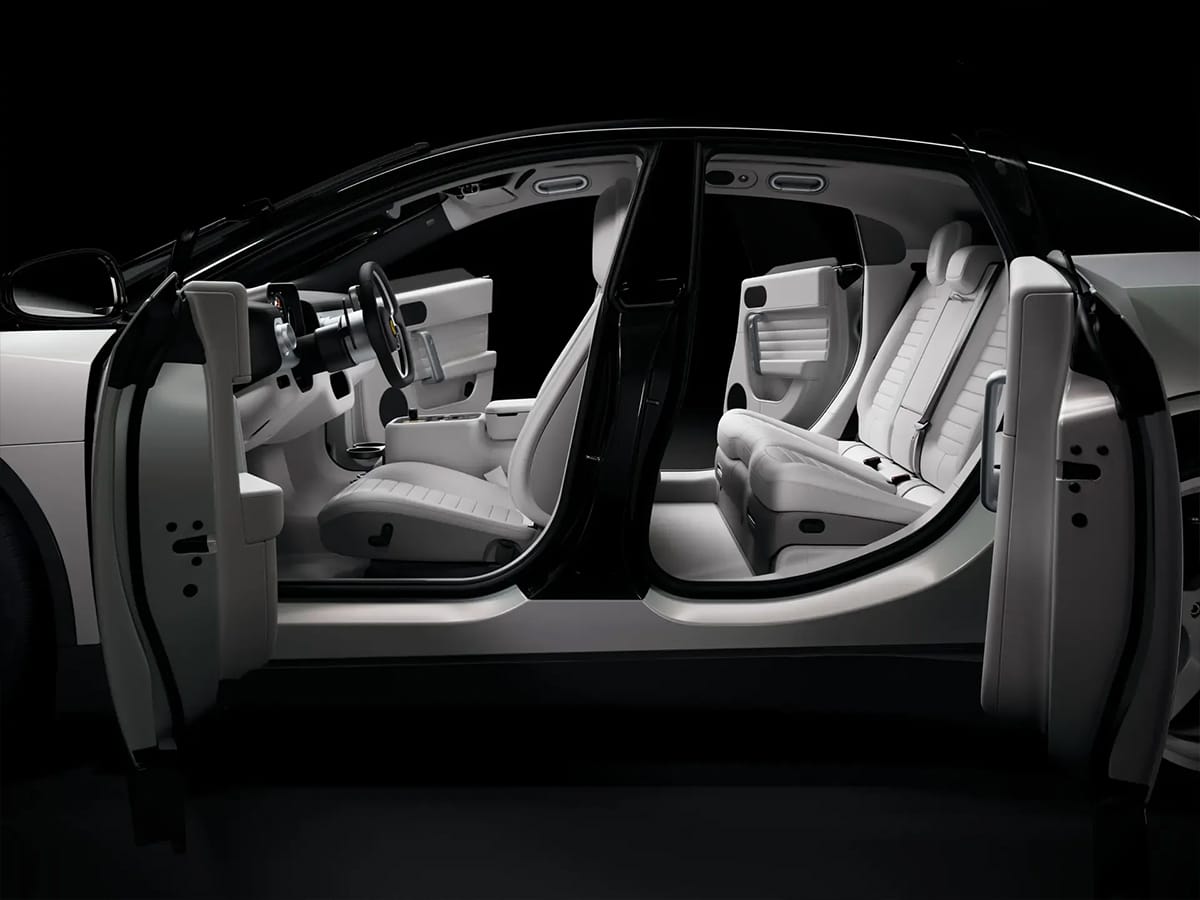
The Ferrari Luce auction record isn’t just a number—it’s a declaration. At $40 million, it’s the kind of price that makes collectors whisper and investors double-tap. But beneath the shock value lies something deeper: Ferrari’s first electric car, a symbol of a brand rewriting its own legend. Think of it as the Batmobile of the supercar world, but with a prancing horse instead of a logo and a price tag that could buy a small island.
This isn’t just about money; it’s about legacy. The Luce isn’t a departure from Ferrari’s DNA; it’s a fusion. Imagine a car that can out-sprint a hypercar, with 1,036 HP and a 530 km range, yet wears paint that shifts like a mirage and leather that glows like moonlight. It’s the kind of engineering that makes traditionalists squirm but die-hard fans salivate.
Critics called it a betrayal. Former bosses called it a risk. But here’s the twist: the Luce sold out before it even hit the road. In a world where electric cars are often seen as soulless, Ferrari dared to make one that feels like a dream. And now, with a $40 million auction record, it’s clear—this isn’t just a car; it’s the starting line of a new era.
What happens next? Will the Luce redefine luxury EVs, or will it become a footnote in Ferrari’s history? The answer might just be waiting in the next chapter.
Conclusion
The Ferrari Luce isn’t just a car—it’s a symbol of how legacy, innovation, and philanthropy can collide in ways that redefine industries.
What will the next chapter of Ferrari’s electric future look like? Will you be part of it?
References
- First Ferrari Luce EV sells for $40 million, 36x its estimate
- Ferrari's first ever electric car sold for record $40m - BBC
- First Ferrari Luce Sells for $40 Million, Most... | Man of Many
- Google News - Ferrari Luce electric vehicle sells for $40 million...
- Ferrari Luce First EV Sells for Record $40 Million
- Ferrari's first electric car sells for a record $40 million ...
- Ferrari Luce electric car sells for $40 million at Monterey ...